When Robots Fight: The Birth of a New Sport
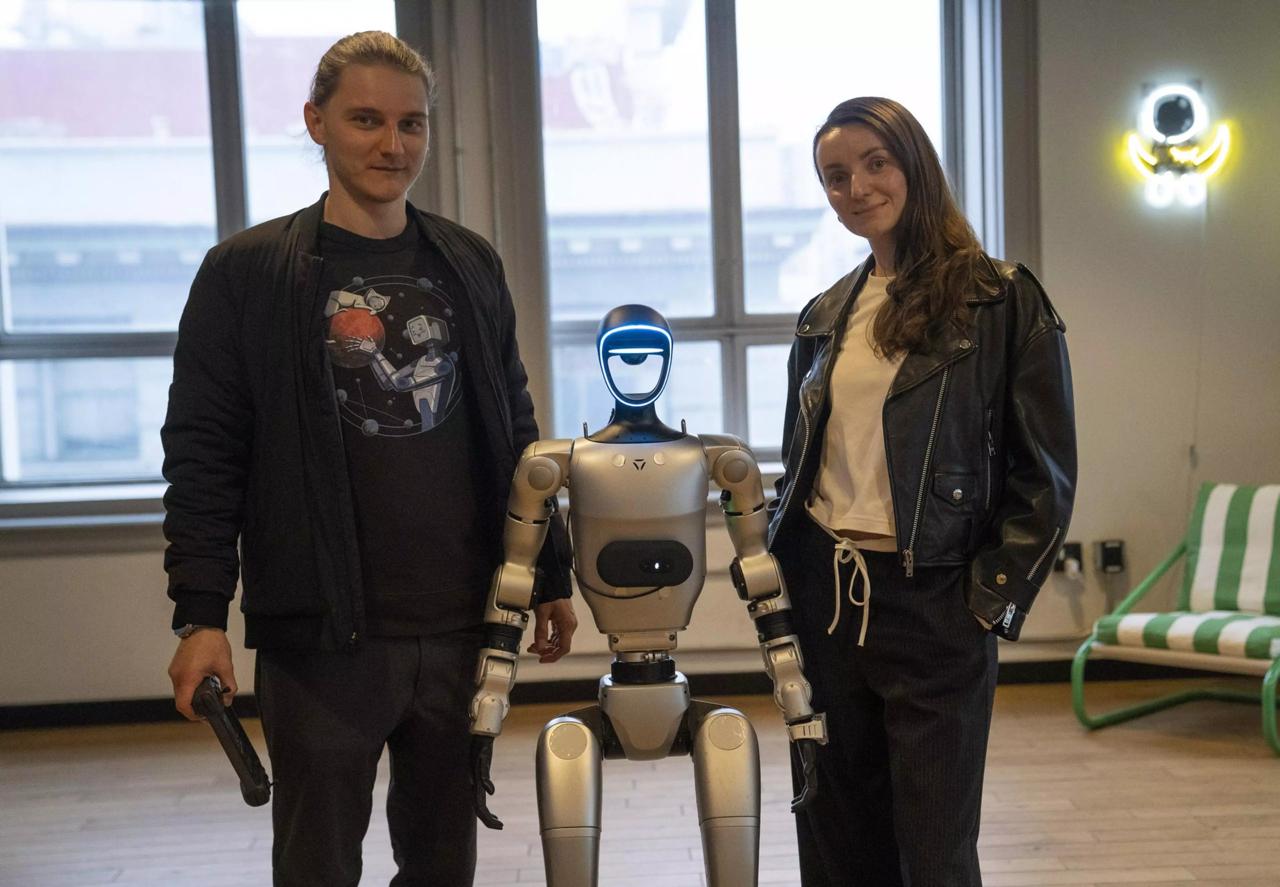
The underground arena was packed. Bodies pressed against the barriers, eyes locked on the octagonal cage where two combat robots circled each other. But the pilots weren't in the room. One was in Tokyo. The other in Berlin. Both controlling their machines in real-time, feeling every impact through haptic feedback, seeing through their robot's eyes.
From Lab Experiment to Sold-Out Arena
Six months ago, this was just an idea scribbled on a whiteboard in Frontier Tower's robotics lab. A few engineers tinkering with remote piloting systems, wondering if you could make robot combat feel visceral enough to matter. Wondering if people would actually care.
UFB answered that question. The arena sold out in hours. The energy was electric—not the polite applause of a tech demo, but the raw intensity of a real sporting event. People are screaming. People on their feet. People who had never cared about robotics suddenly cared deeply about whether the red bot or the blue bot would land the next hit.
The Moment It Clicked
There's a moment in every new sport where it stops being a novelty and becomes real. For UFB, it happened in the third match. The Tokyo pilot had their robot pinned against the wall. The Berlin pilot, down on points, executed a move nobody had seen before—a calculated sacrifice of their robot's left arm to create an opening. The crowd went silent. Then erupted.
That's when everyone in the room understood: this wasn't about the technology anymore. It was about strategy, risk, split-second decisions. It was about humans pushing machines to their limits, and machines amplifying human skill into something spectacular.
What Makes It Different
Ultimate Fighting Bots isn't trying to replace traditional sports. It's creating something that couldn't exist before—a competition where physical location doesn't matter, where the playing field is perfectly level, where anyone with the skill can compete regardless of their body, their geography, their circumstances.
The pilots don't need to be in San Francisco. They can be anywhere. But the robots are real. The impacts are real. The stakes are real. It's the fusion of digital and physical that makes it work—remote control with real consequences, global access with local intensity.
The Aftermath
After the final match, the arena didn't empty quickly. People lingered, talking about what they'd just witnessed. Pilots who'd competed were already analyzing their mistakes, planning their next moves. Spectators were asking how they could learn to pilot. Engineers were sketching improvements to the robots.
This is what the birth of a sport looks like. Not a polished product, but something raw and real that people can't stop thinking about. Something that makes you want to be part of it, not just watch it.
Robot boxing isn't sci-fi anymore. It's here. It's live. And it's just getting started.