Building in Public: Lessons from 60 Days at the Superhero Residency
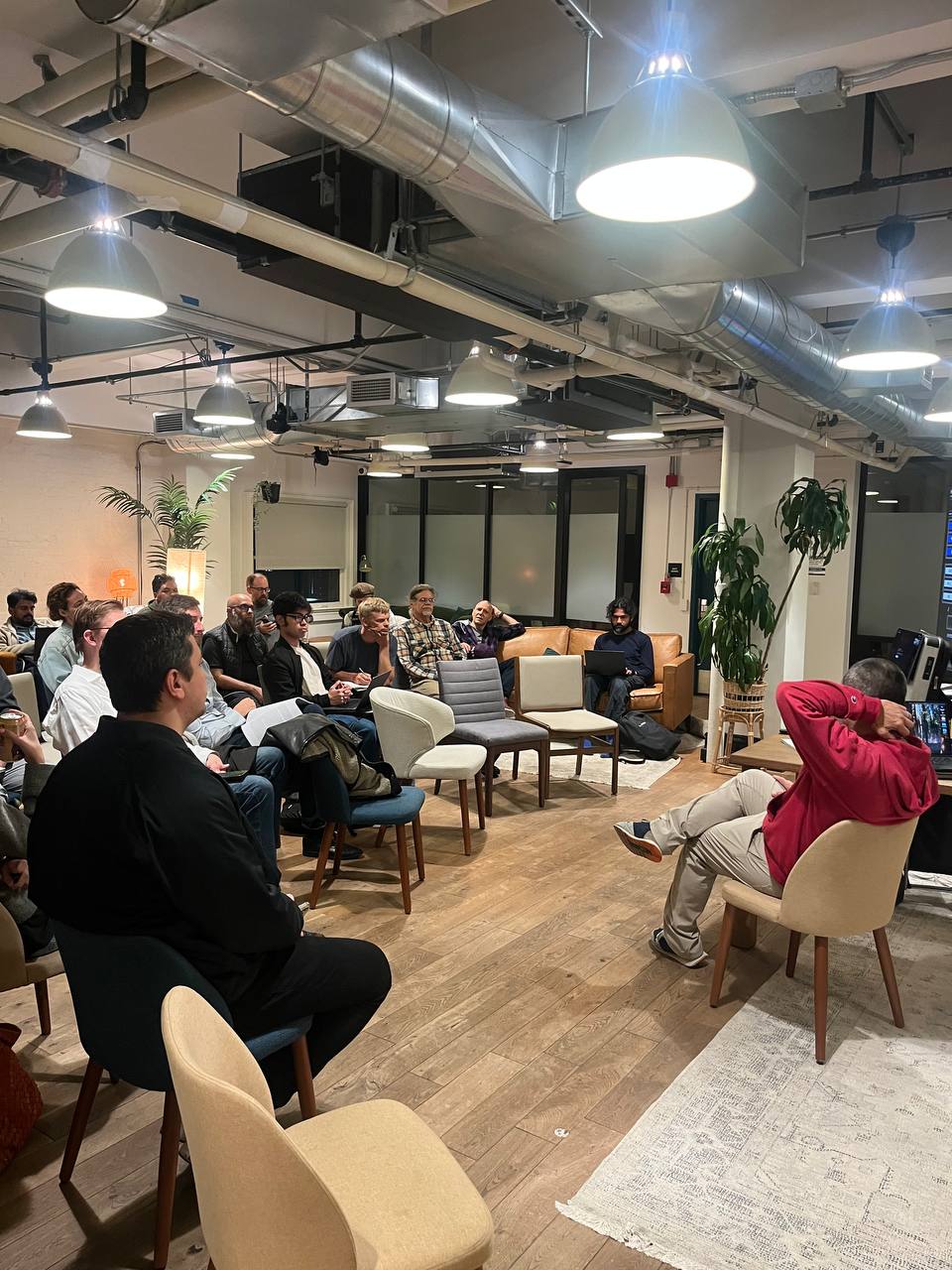
When Sarah, Marcus, and Chen checked into Superhero Hotel in December, they had three different ideas, zero funding, and a shared belief that proximity matters. Sixty days later, they're shipping a product, talking to customers, and building in ways they never imagined.
Day 1-20: The Collision Phase
"I met my technical co-founder in the elevator," Sarah laughs. "We were both heading to the robotics lab on the third floor. By the time we reached the lobby, we had scheduled our first working session."
This isn't unusual at Superhero. With 110 rooms in the hotel and 16 floors of coworking in Frontier Tower, random collisions aren't just possible- they're inevitable. But what makes them valuable is the density of serious builders.
Day 20-40: The Infrastructure Advantage
Marcus, building a biotech startup, needed lab equipment. "In a normal city, I'd be booking time at a university lab or paying thousands for a shared space. Here, I walked downstairs. The wet lab had everything I needed - centrifuges, microscopes, the works."
The infrastructure advantage isn't just about equipment. It's about removing friction. When you don't waste cognitive load on logistics, you can focus on what matters: building and shipping.
Day 40-60: The Momentum Shift
By day 41, all three founders had pivoted at least once. Chen's original AI idea evolved after a late-night conversation with a researcher working on similar problems. "He showed me his approach, I showed him mine. We realized we were solving adjacent problems and could help each other."
This is the real value of density: compressed learning cycles. Feedback loops that take weeks in isolation happen in days when you're surrounded by people who understand what you're building.
The Takeaway
Building in public isn't just about Twitter threads and blog posts. It's about physical proximity to people who are also in the arena. It's about infrastructure that removes friction. It's about serendipity at scale.
"I could have built this remotely," Sarah reflects. "But it would have taken me twice as long and been half as good. The density and the cross-pollination here is the difference between incremental progress and exponential growth."